


 EN
EN  NL
NL 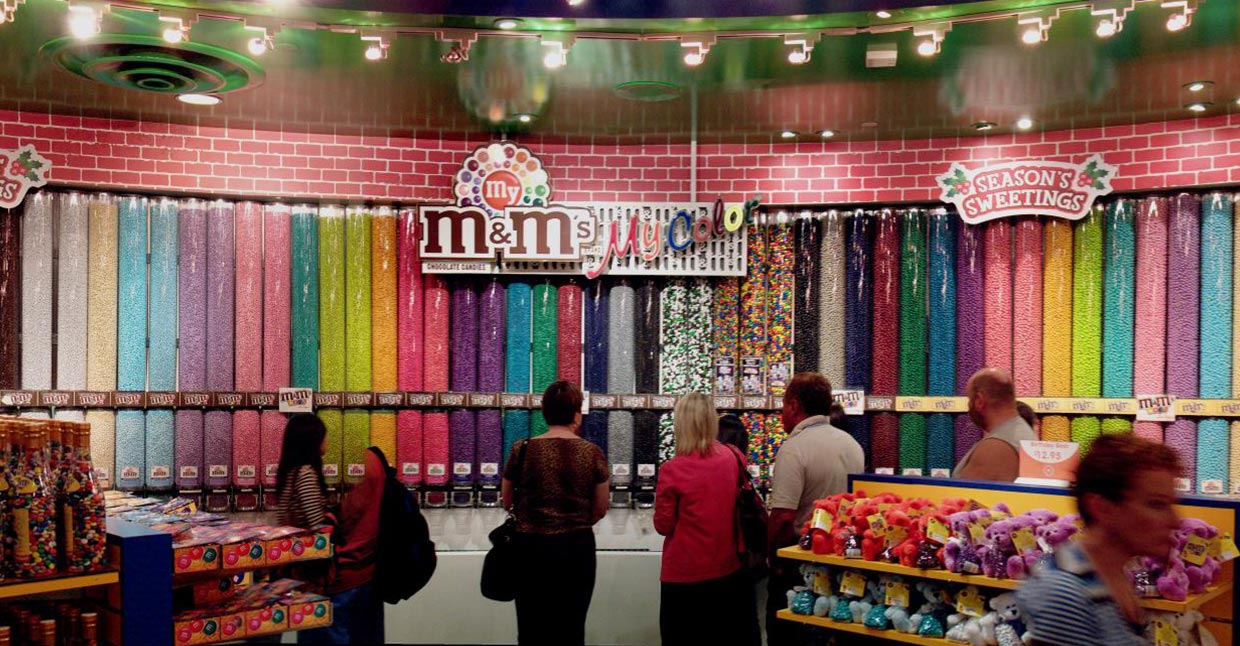
Creating a good atmosphere in a shop is incredibly important. It ensures a pleasant shopping experience, and ultimately more sales. In our previous blog about the best shop layout, we wrote that a shop where customers enjoy walking around sells better. But how do you create the right atmosphere in a shop? And how does atmosphere influence our shopping behaviour?
Trouwens, laatst gaven we een - gratis - lunchwebinar precies hierover. In dit lunch-webinar ontdek je verrassende weetjes – en prikken we door hardnekkige mythes – over de psychologie van de supermarkt.
Aangezien je dit blog leest, dacht ik dat je deze webinar helemaal mooi zal vinden! Terugkijken kan heel simpel via deze link. Ik ben benieuwd wat je ervan vond!
Pleasure and Arousal
We can categorise the experience of any environment along two important axes: pleasure and arousal. On one hand, places differ in the degree to which we experience pleasure (negative, neutral, positive). On the other hand, environments greatly influence the activation of our body, a phenomenon psychologists call arousal (calming, neutral, activating). Together, these two building blocks form a richness of emotions:
- Positive emotion and high arousal? Ecstasy.
- Positive emotion with low arousal forms contentment
- Mix arousal with negative emotion and you get anger
- Combine negative emotion with low arousal and you get sadness
Practical Technique: The Experience of Music, Scent, Visuals, and Touch
Fluctuations in pleasure and arousal can be captured every second of the shopping trip using neuromarketing methods. This provides insights into how the sensory cocktail of visuals, sound, scent, and touch comes together in our brain to form a total experience. What do these emotions and experiences actually do to purchasing behaviour?
Music
The classic: people walk slower to slow music and therefore buy more products. To make it extra practical for your next playlist: especially music under 72 beats per minute made the cash register ring more often.
Scent
In terms of smell, a pleasant scent increases the time spent and the enjoyment of shopping. Specific scents also direct attention to products that align with the same object or psychological goal. For example, a chocolate scent not only increases the purchase of chocolate but also of romantic gifts. A masculine musk scent in a bookstore increases attention to fitness magazines.
Touch
Our sense of touch is also a golden asset for retailers. A product we touch is actually purchased in 66% of cases. Particularly effective are packages that appeal to our hunger for touch through variations in embossing, texture, and special prints.
Gratis Webinar: De Psychologie van de Supermarkt 🧠
In dit lunch-webinar ontdek je verrassende weetjes – en prikken we door hardnekkige mythes – over de psychologie van de supermarkt.
De 60 minuten durende webinar is nu terug te kijken!
Bekijk de webinar via deze link <
Visuals
There are numerous visible examples in shops to create mental stimulations in the brain. For instance, you can stimulate the brain with different colours. Blue dominates in dental practices because it reduces arousal. Photos of products being used are also appealing to the brain.
You might now wonder whether our senses are stimulated in a coherent way (for example, touch and scent) to create a pleasant overall experience. The answer is: yes! These examples make it concrete:
- Fast music (high arousal) and a calming scent like lavender (low arousal) stimulate our senses incongruently. This is not favourable for the retailer.
- A calming scent increases our attention to calming colours (for example, green and blue).
- Music with a strong bass increases the attraction to dark objects, while prominent high sound frequencies draw our eyes to light colours.
There is only one location where you can meaningfully investigate shopping experience research, and that is in the shop itself. The EEG and GSR in retail research are for that reason comfortable and entirely portable. No interrupting interviews. No questionnaires that are miles away from the concept of 'experience'. The customer only needs to shop; neuro does the rest.
{snippet cta-academy}


